

Recommended Products
How to Choose Cat Treats
2026-04-02
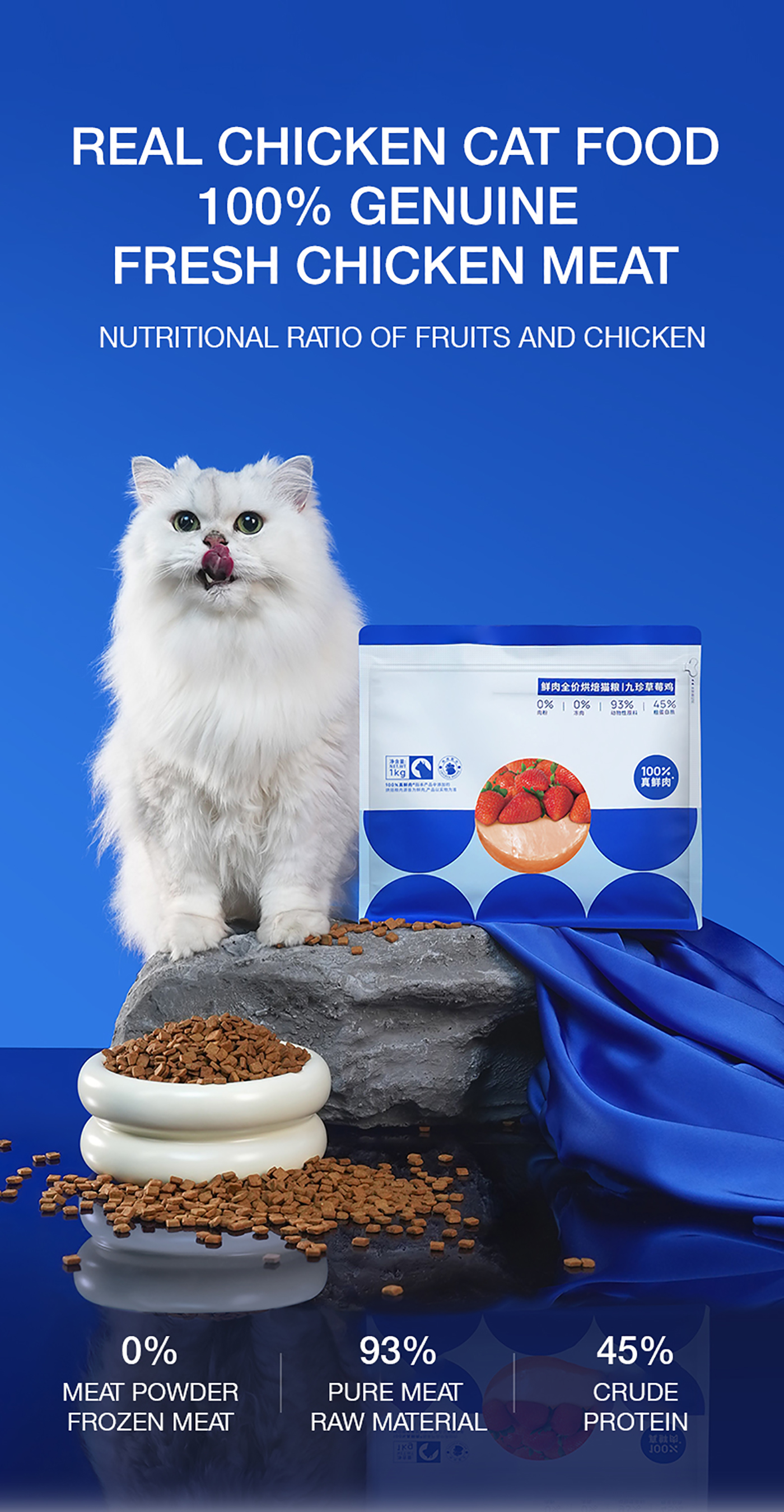
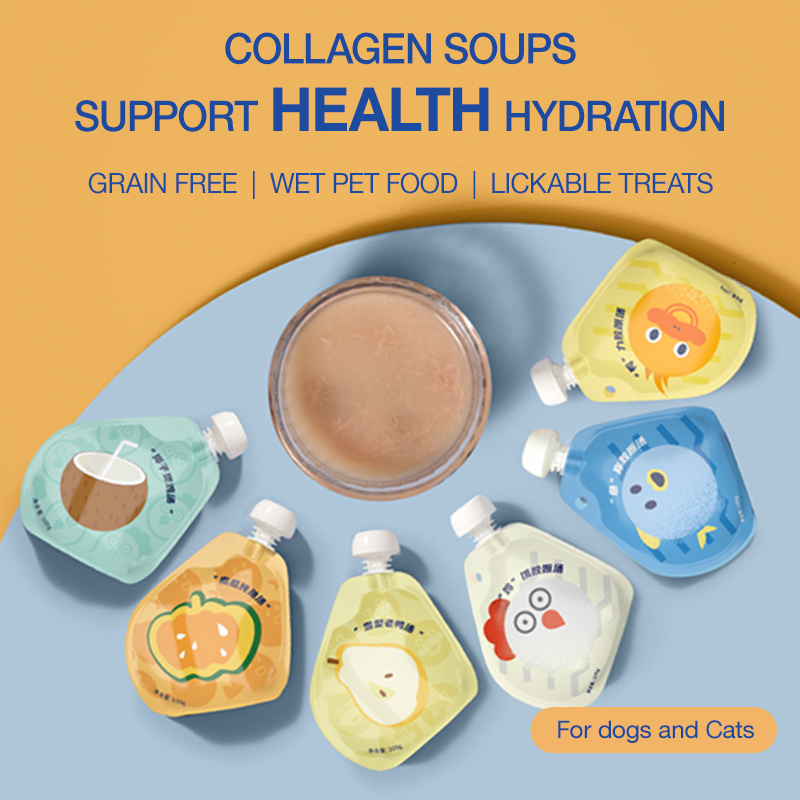
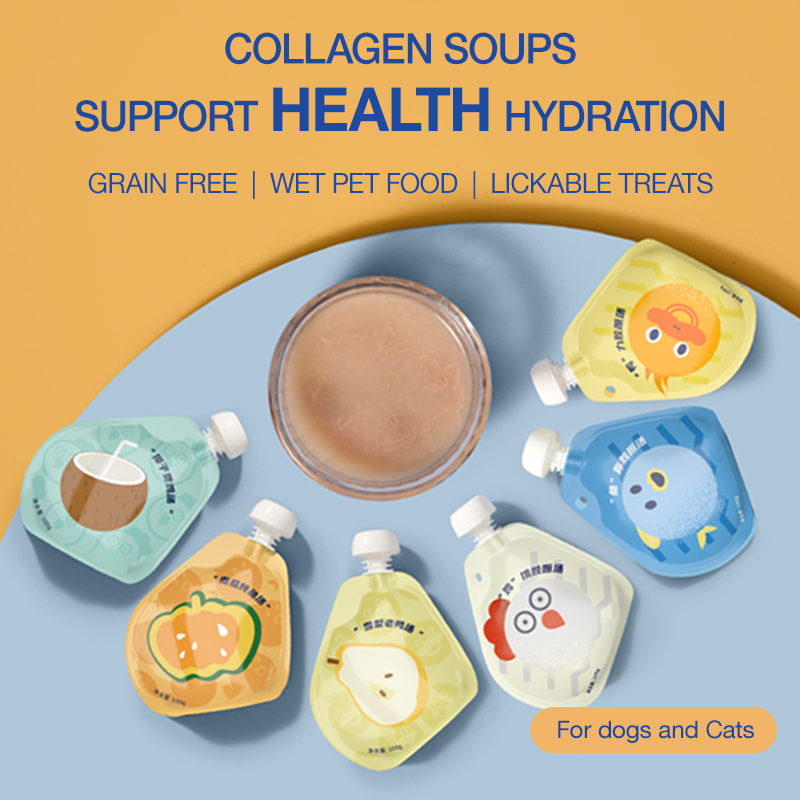
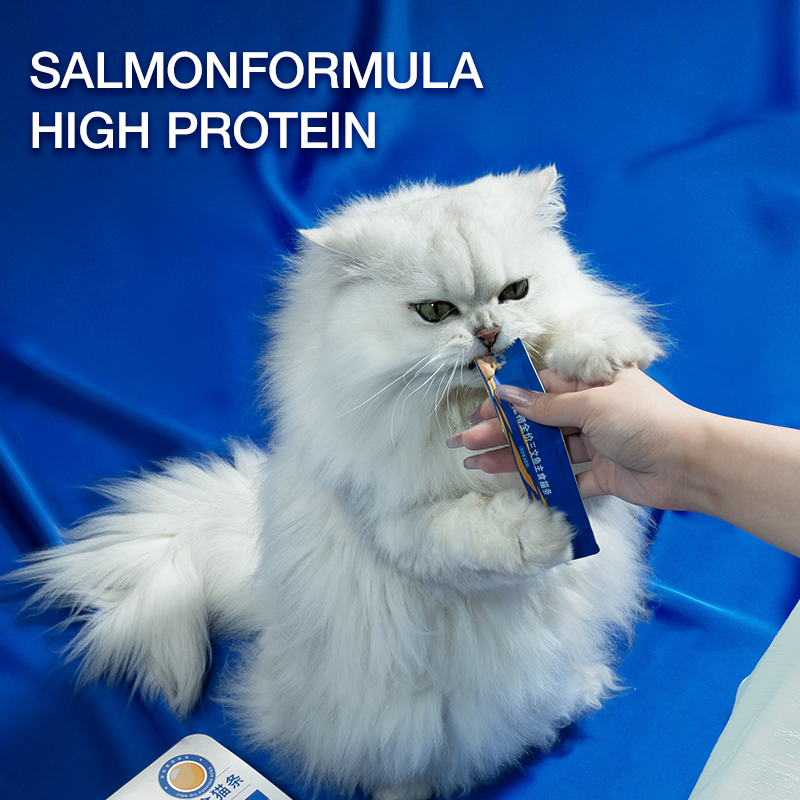
The core principles for choosing cat treats are safety, healthiness, palatability, and not interfering with regular meals. Just follow this guide below.
Check the Ingredient List (Most Important)
Higher meat content is better
Priority: Fresh/frozen meat > meat meal > plant protein
Avoid: Grains, corn, wheat, soybeans, and excessive starch.
Reject harmful additives
Do not buy treats containing:
Artificial preservatives (BHA/BHT, propylene glycol)
Artificial colors and flavors
Excessive sugar and salt.
Simpler ingredients are safer
Freeze-dried treats: Best with only pure meat.
Cat sticks/purees: Meat as the main ingredient, water as a supplement, with minimal additives.
How to Choose by Type
1. Freeze-dried Treats (Highly Recommended)
Pros: High protein, low moisture, close to raw meat, low fattening risk.
Suitable for: Daily rewards, training, mixing with kibble.
Recommended: Chicken breast, duck breast, salmon, chicken necks (for teeth cleaning).
2. Creamy Cat Sticks / Liquid Treats
Pros: Highly palatable, helps with hydration.
Cons: Easy to cause addiction and picky eating; some are high in starch.
Choose: Products with meat in the top 3 ingredients, little to no gelatin.
3. Dental Chews
Freeze-dried chicken necks, deer tendons, dried small fish.
Suitable for: Cats with tartar buildup or chewing habits.
Not suitable for: Kittens or cats with poor dental health.
4. Cat Biscuits / Crunchy Treats
Generally high in starch, buy sparingly and only give occasionally.
3. Choose by Age
Kittens (2–6 months): Easily digestible freeze-dried treats, small amounts of meat puree; no hard dental treats.
Adult cats: Most treats are acceptable; control portion size.
Senior cats / poor dental health: Soft creamy treats, rehydrated freeze-dried meat.
Overweight cats: Pure meat freeze-dried treats, avoid high-calorie options.
4. Avoid These
Cheap cat sticks heavy in fish meal and artificial attractants.
Human food: Ham, milk, chocolate, onions, garlic, etc.
Overly salty or oily dried fish.
Discontinue any treat that causes soft stools or extreme pickiness immediately.
5. Feeding Rules (Crucial)
Treats should make up no more than 10% of daily total calories.
Do not feed every day or with every meal.
Use treats for interaction and rewards, not as a main meal.
Feed a small amount for the first time and monitor for soft stools or allergies.